








Supply Consulting
PRACTICAL SUPPLY CHAIN AND OPERATIONAL CONTROL ADVISORY
“If you fail to plan, you are planning to fail.”
Benjamin Franklin

Who We Are

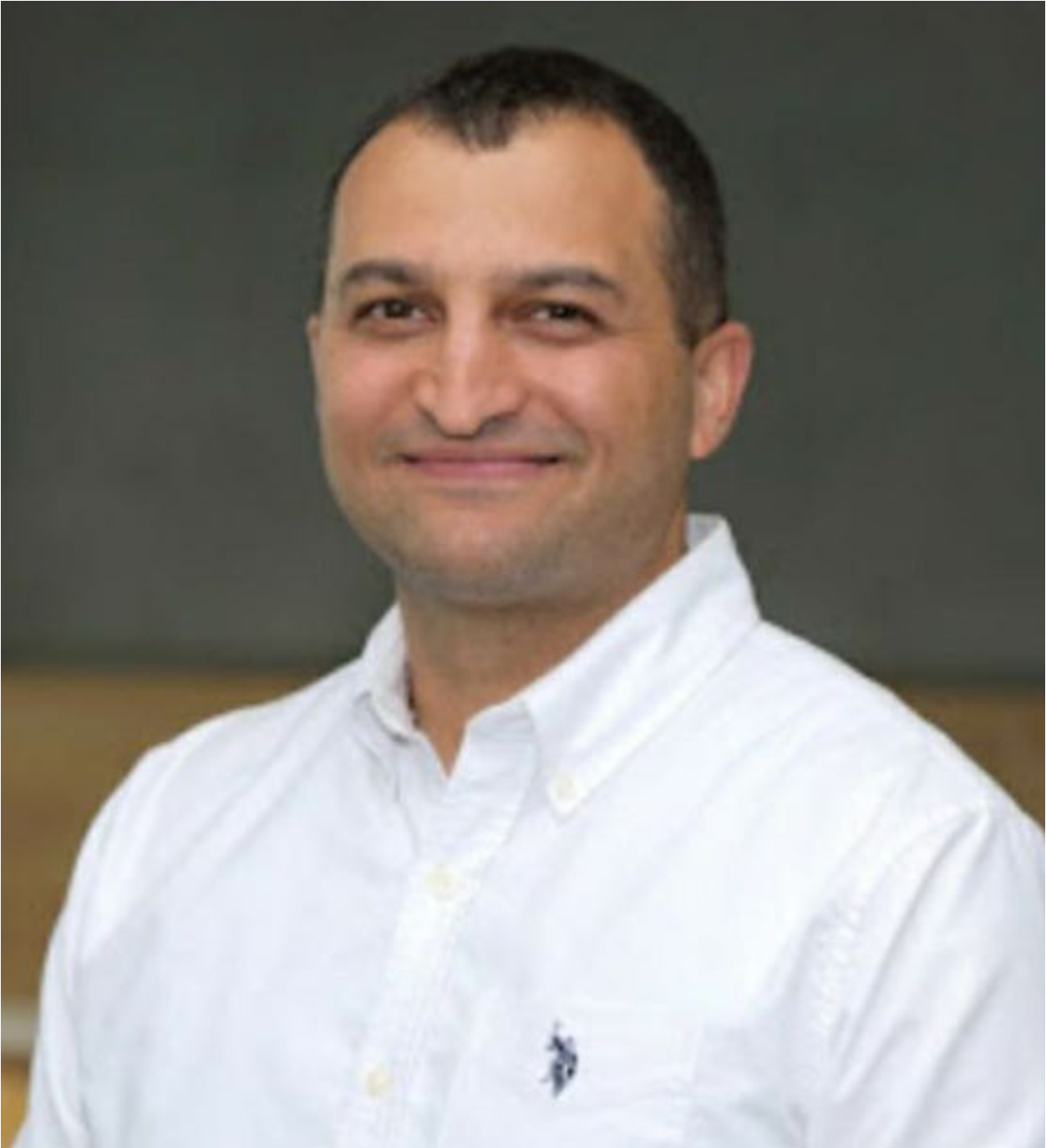
David Manucharyan portrait

Supply Consulting is led by David Manucharyan, a supply chain and operations leader with 15+ years of international experience across FMCG, mining, logistics, and complex industrial environments.

Having worked across Armenia, Georgia, the Middle East, and South East Asia, David brings a practical, hands-on approach focused on measurable outcomes, not theory.

Experience

Our industry experience has been built through direct leadership and operational roles across FMCG, mining, international logistics, and business consulting. This experience comes from owning decisions, leading teams, restoring control in challenging environments, and operating under constant pressure on cost, safety, and business continuity.

Mining
Armenia
Mining
Vietnam
FMCG
Armenia
Mining
Armenia
Contract Mining
Saudi Arabia
Mining
Malaysia
Beverages
Armenia
Confectionery
Armenia

SUPPLY CHAIN ADVISORY

INDUSTRIAL ASSET CONTROL

WHAT TO EXPECT WHEN WE WORK TOGETHER

CONTACT US

Practical supply chain and operational control advisory
Yerevan, Armenia

PRACTICAL SUPPLY CHAIN AND OPERATIONAL CONTROL ADVISORY

“If you fail to plan, you are planning to fail.”

Benjamin Franklin


Who We Are

Supply Consulting is led by David Manucharyan, a supply chain and operations leader with 15+ years of international experience across FMCG, mining, logistics, and complex industrial environments.

Having worked across Armenia, Georgia, the Middle East, and South East Asia, David brings a practical, hands-on approach focused on measurable outcomes, not theory.

Experience

Our industry experience has been built through direct leadership and operational roles across FMCG, mining, international logistics, and business consulting. This experience comes from owning decisions, leading teams, restoring control in challenging environments, and operating under constant pressure on cost, safety, and business continuity.

Profile photo
Vallex Group
MiningArmenia
Olympus Pacific Minerals
MiningVietnam
Pepsi
FMCGArmenia
Teghout Mining
MiningArmenia
Saudi Comedat
Contract MiningSaudi Arabia
Besra Gold
MiningMalaysia
Jermuk
BeveragesArmenia
Zeytun Sweet
ConfectioneryArmenia

SUPPLY CHAIN ADVISORY

What we fix first

  • Clarify request, approval, sourcing, and ordering responsibilities.
  • Surface where urgent buying, shortcuts, and weak controls are happening.
  • Make supplier follow-up, expediting, and commitment tracking visible.
  • Start sourcing quick wins on terms, price, lead time, and service.

What takes longer

  • Reducing reactive buying and exception-based decisions.
  • Building cleaner RFQ/tender discipline and supplier comparison.
  • Improving coordination between planning, buying, and warehouse.
  • Moving from transactional buying to stronger category control.

What we fix first

  • Establish a clear cost baseline and the main cost drivers.
  • Show where OPEX and COGS are moving for the wrong reasons.
  • Connect budgeting to operating reality, not assumptions alone.
  • Build a KPI review pack that managers can actually use.

What takes longer

  • Reducing avoidable cost across buying, handling, storage, and service failures.
  • Tightening cost control without hurting availability.
  • Improving management response speed through better KPI visibility.
  • Making weekly and monthly KPI review part of normal management work.

What we fix first

  • Separate healthy stock from excess, inactive, and duplicate stock.
  • Put simple inventory policy, min/max, and safety-stock rules around key items.
  • Tighten warehouse control over accuracy, cycle counts, returns, and shrink.
  • Build a practical stock-cleanup and cash-release plan.

What takes longer

  • Releasing cash without creating new shortages.
  • Improving stock health while keeping service stable.
  • Sustaining better inventory control across the business.
  • Turning one-time cleanup into normal control.

What we fix first

  • Show the current OTIF and availability level by item, customer, or location.
  • Identify where the service break really starts: planning, supply, transport, or internal handling.
  • Separate one-off exceptions from repeat service failures.
  • Protect the items and lanes with the highest service impact.

What takes longer

  • Stabilizing service across a wider item range.
  • Reducing recurring shortages and late-order behavior.
  • Improving lead-time reliability across suppliers and routes.
  • Building earlier response before service breaks are felt by the customer.

What we fix first

  • Map the basic flow from planning to sourcing to execution.
  • Clarify who plans, who decides, and how often key decisions are reviewed.
  • Set practical replenishment rules for the critical items.
  • Correct obvious gaps in timing, quantities, and reorder points.

What takes longer

  • Extending the rules across more categories, warehouses, and suppliers.
  • Reducing guesswork in day-to-day planning.
  • Handling seasonality, promotions, and demand swings with better discipline.
  • Establishing one planning routine the business actually follows.

INDUSTRIAL ASSET CONTROL

What we fix first

  • Identify the machines causing the biggest production loss.
  • Separate one-off failures from repeat breakdown patterns.
  • See where maintenance time is being consumed again and again.
  • Focus first on the equipment with the highest business impact.

What takes longer

  • Reducing repeat breakdowns.
  • Moving from repair mode to planned control.
  • Building better maintenance priorities.
  • Getting more stable output from critical equipment.

What we fix first

  • See which parts are missing for important jobs.
  • Separate critical spares from dead stock and duplicate stock.
  • Prepare parts, tools, and materials before the job starts.
  • Bring more order into shutdown and planned work.

What takes longer

  • Better spare-parts reordering.
  • Fewer urgent purchases.
  • Less wasted maintenance time.
  • A stores system people trust.

What we fix first

  • See which assets have weak or missing records.
  • Find where knowledge exists only in people’s heads.
  • Check which manuals, drawings, and parts lists are missing.
  • Show where the team depends too much on one or two people.

What takes longer

  • Better asset records.
  • Better maintenance history.
  • Stronger internal knowledge.
  • Less dependence on memory and individuals.

What we fix first

  • See where daily conditions are creating avoidable disruption.
  • Separate external disturbances from asset-related problems.
  • Surface unsafe shortcuts and the reasons behind them.
  • Give clear ownership for the biggest risks.

What takes longer

  • Better protection against unstable conditions.
  • Fewer risky shortcuts under pressure.
  • Better safety discipline in work and repairs.
  • Stronger daily operating control.

What we fix first

  • Make responsibilities clear at working level.
  • Set one simple weekly review with actions and deadlines.
  • Show the main skill gaps affecting control.
  • Follow actions, not only breakdown reports.

What takes longer

  • Stronger accountability.
  • Stronger front-line supervision.
  • Better skills across the team.
  • Less dependence on a few strong people.

WHAT TO EXPECT WHEN WE WORK TOGETHER

WHAT HELPS THE WORK GO SMOOTHLY
WHAT THIS MAKES POSSIBLE
Clear sponsor and decision authority
Faster decisions, clearer direction, better momentum
Access to the right data, teams, and operating context
Better prioritization, stronger control, fewer rework cycles
Execution support, not recommendation-only scope
Practical progress, accountability, measurable improvement
Aligned mandate, decisions, and execution support
Faster delivery, fewer delays, measurable results
WHAT SLOWS THE WORK DOWN
WHAT THIS OFTEN LEADS TO
Delayed decisions, unclear ownership, or limited authority
Slower execution, more rework, weaker outcomes